

Holding onto a distressed property can feel safer than selling, especially when a home is tied to difficult memories, unfinished repairs, or financial uncertainty. But waiting often becomes more costly faster than expected. Rising maintenance, utilities, insurance, HOA fees, and market shifts can steadily erode equity over time in the Las Vegas real estate market.
This is especially true for vacant homes, inherited fixer-uppers, damaged rentals, or properties with major deferred maintenance. In a market shaped by constant movement and evolving Las Vegas real estate investment trends, delays can quietly reduce your potential return.
If you’re still on the fence about selling, continue reading to understand the financial and emotional costs of holding a distressed property in Las Vegas.
Table of Contents:
There Are Monthly Costs That Keep Going
Every extra month a distressed property sits comes with real financial weight. This is due to several recurring expenses that can quietly chip away at your equity without you even noticing. These include:
- Property taxes: Property taxes remain due regardless of occupancy, creating a steady obligation that quietly builds over time and steadily reduces your potential return. In Clark County, tax bills are issued annually with installment due dates, so missed payments can still create penalties even if the home is empty.
- Insurance: Insurance on vacant or distressed homes often increases, especially when carriers require higher-risk coverage or a vacant-home endorsement, which can directly impact your Las Vegas real estate investment strategy and overall carrying cost.
- Utilities: Water, electricity, sewer, and trash services often remain active to protect the home from system failures, extreme heat damage, plumbing issues, and HVAC-related problems that can worsen in empty properties. Sewer accounts in Las Vegas stay in the legal owner’s name, and unpaid sewer bills can carry penalties.
- HOA dues: HOA dues apply every month regardless of occupancy, and falling behind can lead to penalties, restrictions, or enforcement actions from the community association.
- Vacant property requirements: If the property is abandoned, vacant, in default, or at risk of abandonment within the City of Las Vegas, it may also fall under the city’s Vacant Foreclosed Property Ordinance.
- Landscaping: Landscaping services are still necessary to maintain curb appeal and compliance, since neglected yards in Las Vegas heat can quickly lead to fines or deterioration.
- Mortgage payments: If a mortgage exists, monthly principal and interest payments continue uninterrupted, often representing the largest and most persistent holding cost.
Repairs Often Get Worse Over Time

Distressed and vacant properties tend to accumulate maintenance issues over time. Are you financially ready for that?
In Las Vegas, small maintenance issues rarely stay small for long. Heat, sun exposure, and seasonal storms can accelerate damage quickly, turning manageable repairs into much larger expenses that affect your property’s resale value. This is especially true for vacant homes that are not being checked regularly. Here are some of them:
- Roof leaks: A minor leak can spread into ceiling damage, mold, and costly structural repairs after heavy monsoon storms.
- Broken AC: In triple-digit heat, delaying HVAC repairs can lead to full system failure and much higher replacement costs. It can also make the home harder to show, rent, or safely occupy during the hottest months.
- Plumbing issues: Small leaks can quietly damage drywall, flooring, and even the home’s foundation, directly reducing your Las Vegas real estate investment’s value.
- Neglected pools: Untreated pools can develop algae, cracked plaster, and expensive equipment damage. In Clark County, green pools and standing water can also become mosquito-breeding sites and may draw code enforcement attention.
- Exterior sun damage: Constant desert sun can crack stucco, fade paint, and expose the home to deeper deterioration. Dry, damaged exterior surfaces can also make a distressed property look more neglected from the street.
Vacant Homes Can Create More Risk
Vacant distressed homes in Las Vegas pose risks that extend beyond basic upkeep, especially when left unmonitored for extended periods. Here’s what those risks can look like:
- Vandalism and graffiti: Vacant homes can attract unwanted attention, leading to broken windows, damaged fixtures, and costly cleanup. Clark County specifically handles complaints related to graffiti and blighted properties, so visible damage can bring added attention from neighbors or local enforcement.
- Break-ins and theft: Empty properties are frequent targets for stolen appliances, copper wiring, and HVAC components, all of which can negatively impact your Las Vegas real estate investment’s potential returns.
- Squatters: Unauthorized occupants can lead to legal complications, physical damage, and costly eviction processes. The longer a vacant home goes unchecked, the harder these problems can be to catch early.
- Neighbor complaints: Overgrown landscaping, trash, and visible neglect can trigger HOA fines, city violations, and strain relationships within the community. In the City of Las Vegas, grass and weeds generally need to be kept below eight inches, while Clark County also requires overgrown or dead vegetation and junk or debris to be addressed.
- Security and monitoring: Vacant homes may need lock changes, regular walkthroughs, exterior lighting, camera monitoring, or property management support to reduce preventable damage and liability.
Code Violations and HOA Fines Can Add Pressure
For many Las Vegas homeowners, the stress of holding onto a distressed property grows once city notices or HOA warnings begin arriving. What may start as a few weeds, peeling paint, or an unattended pool can quickly turn into mounting fines, mandatory cleanup demands, and ongoing pressure from multiple directions.
In neighborhoods with active HOAs, even minor exterior maintenance issues can trigger penalties that continue accumulating while the home sits unsold. Under Nevada law, unpaid HOA assessments, fines, and certain charges may become liens against the property, which can create additional pressure before a sale.
Overgrown landscaping, junk or debris, broken windows, neglected pools, and visible exterior wear often attract attention faster than sellers expect, particularly in vacant homes. For homeowners holding off on selling a house in Las Vegas, this stage often becomes the tipping point where waiting no longer feels justifiable.
Vacant property rules can also matter. If a property is abandoned, vacant, in default, or involved in foreclosure-related proceedings within the City of Las Vegas, it may need to be registered and maintained under the city’s vacant-property program.
When Does Holding Still Make Sense?
Holding a distressed property is not always the wrong move, but it only works when there is clarity, structure, and enough financial flexibility to support it. In a market like Las Vegas, timing and intention matter as much as condition. Here’s when it can work:
- Repairs are manageable: Cosmetic updates like flooring, paint, or light repairs can be handled without creating financial strain or ongoing disruption.
- The owner has a clear plan: A defined timeline for renovations, rental prep, or resale helps prevent extended vacancy and rising carrying costs within a Las Vegas real estate investment strategy.
- The property can be rented safely: With minor improvements, the home may generate stable rental income instead of sitting idle.
- The seller has enough cash reserves: Liquidity provides a buffer for surprises like HVAC failures, turnover gaps, or unexpected maintenance.
- No major code, title, or HOA issues: Clean legal standing helps avoid fines, delays, and compliance problems that can stall progress or reduce returns. This should include checking for recorded liens, unpaid HOA balances, open permits, or unresolved notices before committing to a hold strategy.
- The home has strong rental or resale upside: Holding may make sense if the property is in a desirable Las Vegas submarket and the expected gain outweighs the cost of repairs, vacancy, utilities, insurance, taxes, and ongoing maintenance.
When Should Homeowners Consider Selling As-Is?
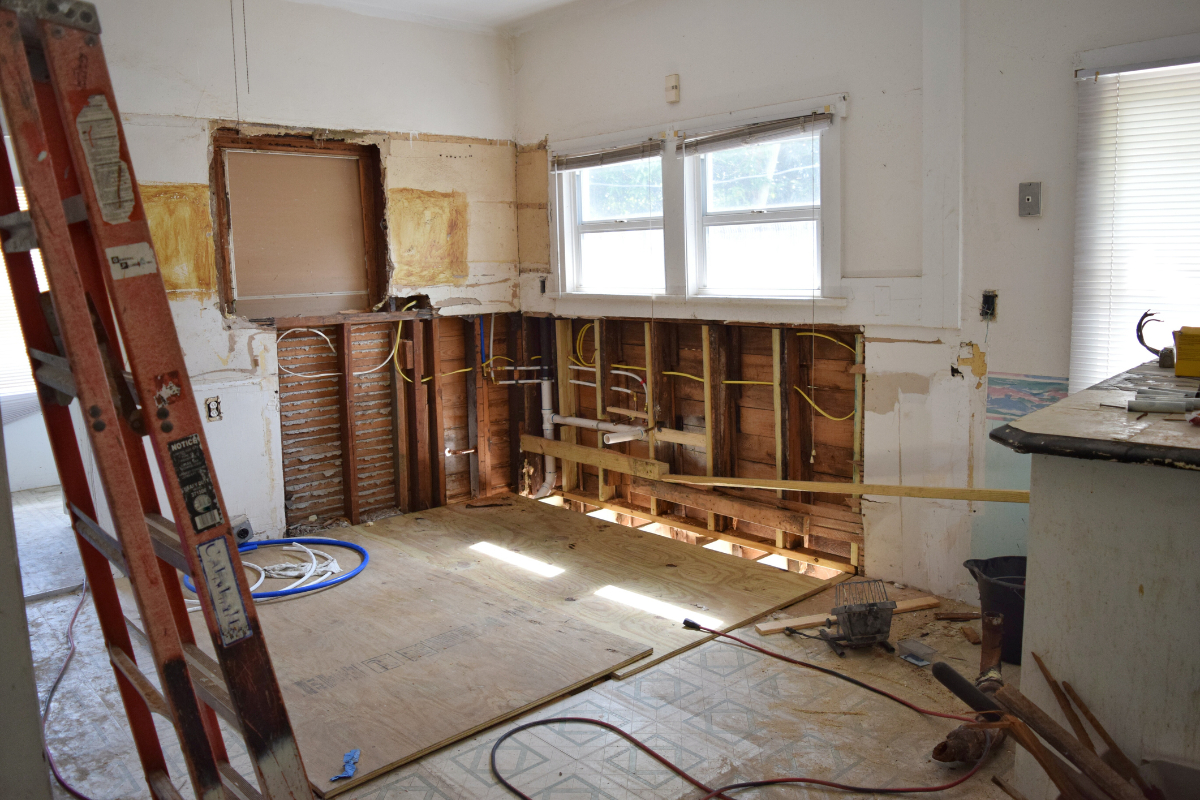
If your property has extensive damage and is beyond repair, it may be time to cut your losses and consider selling it as-is.
For some homeowners, continuing to hold a distressed property eventually becomes more exhausting than selling it. In Las Vegas, where repair costs, carrying expenses, and HOA pressure can escalate quickly, choosing to sell their homes as-is may offer a more practical path forward for owners who no longer want to invest additional time or money. Here’s when that shift often happens:
- Repairs are too expensive: Major roof, HVAC, or structural issues can quickly overwhelm a budget and stall progress.
- The property is vacant: Empty homes often deteriorate faster in the desert climate, increasing risk and ongoing costs. If the home is already attracting complaints, violations, or security concerns, waiting can become even more expensive.
- The owner inherited the home: Many inherited fixer-upper homes in Las Vegas come with deferred maintenance and outdated systems that require significant investment.
- There is tenant damage: Extensive repairs after difficult tenants can delay a traditional sale and add unexpected expense.
- There are code or HOA issues: Ongoing fines and violations can create both financial pressure and emotional strain.
- The seller wants a faster, simpler sale: For many navigating how to offload a distressed Las Vegas real estate investment, accepting a cash offer can reduce stress, avoid renovations, and create a cleaner transition into their next chapter.
- The numbers no longer support holding: If repair estimates, carrying costs, fines, and vacancy risk outweigh the likely resale gain, selling as-is may protect more equity than waiting.
Can You Afford To Wait?Add up monthly costs: taxes + insurance + utilities + HOA + maintenance + security + repairs. Now multiply by 3, 6, or 12. That’s the real cost of waiting on your distressed Las Vegas real estate investment. For a clearer picture, also include possible code fines, HOA penalties, vacant-property registration costs, pool service, emergency HVAC repairs, and security checks. In Las Vegas, the cost of waiting is not just financial; it can also show up as faster deterioration, more compliance pressure, and fewer options when the property finally goes to market. |
Know the Numbers Before You Wait
Distressed properties rarely become cheaper over time. Every month adds holding costs, repairs, and risk that can quietly shift your Las Vegas real estate investment outcome. Before deciding, compare holding, repairing, traditional listing, selling as-is, and reviewing a cash offer so you can see the real difference in cost and timing.
If you’re still torn on what to do, connect with leading Las Vegas Realtor, Sandee McDuffie of The McDuffie Group at 702.308.7627 or send us an email to schedule a consultation for guidance on your next step.
