

Latest News
Keep on top with latest and exclusive real estate news in Las Vegas, Nevada. Sandee McDuffee Realtor posts about tips and trends for buyers, sellers, investors, staging your property, or a snapshot of the market, this is your one-stop shop.

You have heard the rumors. You can sell a cramped condo back home and buy a palace in Las Vegas. While the market has shifted, the rumors hold true if you know where to look. But moving here is not just about square footage. It is about "Life Footage." It is about upgrading your daily routine. Whether your budget is $450k or $4M, here is how you upgrade your lifestyle by crossing state lines. 1. The "Time" Upgrade In most major metros, a "good" commute is 45 minutes of gridlock or gray skies. In Vegas, 45 minutes gets you from one side of the valley to the other. The Upgrade: You reclaim 5–10 hours a week. That is time for the gym, hiking Red Rock, or actually cooking dinner. Smart Move: Look at communities like Skye Canyon or Cadence. They are self-contained with parks, shops, and amenities so you stop driving and start living. 2. The "Access" Upgrade In many cities, luxury amenities like golf, spas, and 5-star dining are reserved for the ultra-wealthy. In Vegas, they are your local hangout. The Upgrade: You do not need a membership. Locals get discounts at world-class spas, shows, and restaurants. Smart Move: Buying a home in Summerlin or Henderson gives you access to community pools and trails that rival private clubs elsewhere for a fraction of the HOA cost. 3. The "House" Upgrade Let’s talk numbers. $500k in other major markets: A fixer-upper condo or an older home with shared walls. $500k in Vegas: A modern 3-bedroom home or a luxury townhome with a 2-car garage. The Upgrade: Privacy. A yard for the dog. Space for a home office that is not your kitchen table. The Bottom Line You do not need a million dollars to live like a VIP here. You just need a strategy. If you are ready to trade traffic for trails and income tax for savings, let’s look at your options. Take the Quiz to Find Your Fit
Read more
Understanding seasonal patterns, buyer behavior, and shifting market dynamics helps Las Vegas sellers choose the right moment to list their home.Selling a home in Las Vegas can feel like navigating a fast-moving, ever-changing market. The right moment to list isn’t always obvious. Timing, buyer behavior, and neighborhood trends all play a role in how your home is received. Table of Contents: Why Some Sellers Prefer to Wait for Spring Why Some Sellers Choose to List Now Market Conditions to Consider Before Deciding Personal Factors That Should Guide Your Timing How to Maximize Your Result No Matter When You List Sell your Las Vegas home with confidence h2::before, h3::before { display: block; content: ''; height: 8em; margin-top: -8em; width: 100%; visibility: hidden; } If you’re considering listing your Las Vegas home, here’s what you need to know to figure out the timing that best supports your selling goals: Why Some Sellers Prefer to Wait for Spring Many local homeowners and agents believe that spring is often the best time to sell a house in Las Vegas. This season delivers a predictable burst of activity driven by longer days, warmer temperatures, and refreshed curb appeal. Families preparing for summer moves and professionals relocating for new roles often enter the market at the same time, creating a concentrated wave of qualified buyers. Here are the main reasons spring remains a popular choice: Spring Brings Historically Higher Buyer Traffic. The months between March and June typically bring the most active pool of buyers. Families look ahead to summer schedules, job relocations begin to take shape, and the pleasant weather encourages more in-person tours. This heightened momentum often leads to more showings, more conversations with agents, and increased opportunities for strong offers. Homes Photograph and Present Better in Spring. In Las Vegas, spring brings brighter natural light, longer daylight hours, and desert landscaping at its most balanced. Better imagery results in stronger online engagement, and improved curb appeal helps buyers connect with your property from the moment they pull up to the driveway. Higher Inventory Creates a More Active Market. While competition rises in spring, buyers tend to respond positively to a more dynamic market. A larger pool of listings generates more activity overall, and sellers who price strategically can benefit from this momentum. Even with more homes available, demand often keeps pace, maintaining an environment that supports strong results. Why Some Sellers Choose to List Now Lower competition, motivated winter buyers, and mild weather conditions create strategic opportunities for strong off-season listings.Listing your home in late fall or winter may feel wrong, especially in a market known for spring and summer activity, but Las Vegas plays by different rules. Mild weather, steady job-driven relocations, and shifting inventory patterns create opportunities that aren’t always obvious. Below are the key factors that make this an appealing (if unconventional) moment to enter the market: Lower Competition Makes Your Home Stand Out. Most sellers wait until spring, leaving fewer homes on the market during the off-season. With limited inventory, your listing gains increased visibility, and buyers are more likely to notice it. Year-end urgency, driven by job relocations or buyers aiming for tax-related closings, creates a focused, attentive audience. Off-Season Buyers Are Serious and Motivated. Winter buyers tend to have pressing timelines, whether due to work transfers, lease expirations, or financial deadlines. These committed shoppers reduce “looky-loo” traffic, making showings more efficient and offers faster and cleaner. The off-season attracts buyers who are ready to act rather than casually browse. Las Vegas’ Mild Climate Supports Year-Round Showings. Winters in Las Vegas are mild, keeping pools, patios, and landscaping attractive. Outdoor living spaces continue to shine, while cozy seasonal staging inside creates a warm, inviting atmosphere. This makes it easier for buyers to imagine living in your home year-round, even during the slower market months. Market Conditions to Consider Before Deciding Beyond seasonal patterns, local conditions play a major role in identifying the best time to sell a house in Las Vegas. Understanding inventory levels, rate trends, and neighborhood-specific dynamics can clarify which path aligns with your selling goals. Las Vegas Inventory Levels Remain Tight. With only a few months of supply available, Las Vegas continues to lean in favor of sellers. Limited choices give your property greater visibility, which can translate into faster offers. Listing now allows you to benefit from this environment before the typical rise in spring listings introduces more competition. Mortgage Rate Trends Could Shift Buyer Demand. Current mortgage rates sit in the mid-6% range. If they soften in the coming year, spring could bring a more energized buyer pool. Listing now allows you to capture buyers who have already adapted to today’s borrowing costs and want to secure a home before rate shifts or spring competition. Neighborhood Micro-Trends Influence Timing. Local Las Vegas submarkets differ widely. Summerlin remains strong, with high demand and premium prices. Henderson shows mixed conditions with slightly higher inventory but lasting appeal. Southwest Las Vegas offers a steady middle ground, while communities like Inspirada, Cadence, Skye Canyon, and Southern Highlands move at their own pace. Partnering with an agent familiar with these micro-markets helps you decide whether to sell now or wait for spring. Personal Factors That Should Guide Your Timing Even with clear market patterns, your personal timeline, your home’s condition, and your lifestyle often shape the best time to sell a house in Las Vegas more than seasonal data alone. Here are the things you have to consider: Financial and Relocation Timeline. Whether you are relocating, upsizing, downsizing, or cashing out, your personal deadlines matter. Traditional sales take several weeks for offers and several more for closing. If you need quick liquidity or have a firm move date, listing sooner may align better with your goals. Current Condition of Your Home. Turnkey homes tend to perform well year-round. If your property is already in good condition, listing now may be advantageous. If strategic upgrades could significantly improve your price point, waiting until spring offers time to make thoughtful improvements. Stress, Schedule, and Lifestyle. Spring can bring more showing requests, which can be more disruptive to daily routines and household schedules. Listing in slower months offers a more manageable pace for homeowners who prefer fewer interruptions or need flexibility to navigate work, travel, or family commitments. How to Maximize Your Result No Matter When You List Smart preparation, strategic pricing, and strong marketing help Las Vegas sellers achieve excellent results year-round.While many sellers focus on identifying the best time to sell a house in Las Vegas, optimal results are achievable in any season with the right strategy. A well-prepared listing, strong marketing, and expert guidance can elevate your sale regardless of when you choose to enter the market. Price Strategically for the Season. Setting the right price is crucial to attracting buyers and generating competitive offers. During winter, a slightly more value-oriented price can create early interest. In spring, firmer pricing is often supported by increased competition. In addition, pricing just below key thresholds can appeal to buyer psychology and maximize interest. Prep Your Home for Maximum Appeal. Las Vegas buyers respond strongly to turnkey homes. Clear clutter, address repairs, and consider light upgrades that make your home feel fresh and move-in ready. Additionally, enhancing curb appeal, optimizing natural light, and using simple staging touches can help create an inviting atmosphere that resonates with buyers. Use Strong Online Marketing. Most buyers start their search online, so high-quality visuals, virtual tours, and lifestyle-driven listing descriptions are essential. Highlighting proximity to parks, dining, outdoor recreation, and the Strip adds meaningful context for buyers. Work with a Las Vegas Agent Who Understands Timing Trends. Partnering with a local agent provides access to hyper-local insights. Experienced agents can advise on when to list to capture peak buyer interest in your specific neighborhood and price point. Their guidance ensures your home is positioned to attract the right buyers and achieve optimal results, no matter the season. Sell your Las Vegas home with confidence If you’re still weighing your options, remember that both now and spring offer compelling advantages depending on your goals. With the right preparation and strategic guidance, you can succeed in either season. For tailored advice, connect with Sandee McDuffie. She can help you determine the best time to sell a house in Las Vegas based on your home, your timeline, and today’s market conditions. Ready to take the next step? Call The McDuffie Group at or to begin your Las Vegas selling journey.
Read more
Most people hit the "wait until next year" button during the holidays. Savvy buyers see that pause as a chance to quietly win. Winter in Las Vegas brings crisp air, sparkling lights, and a surprisingly powerful moment to buy a home with intention. Serious buyers lean into this season for one reason: Less competition. More opportunity. You don’t need to rush your search, but you do need to position yourself well. Let’s break down why buyers who plan now start 2026 ahead of everyone else. Why Winter Is a Smart Time to Buy The holidays tend to filter out the casual shoppers. That leaves you with motivated sellers and less bidding drama. Winter buyers often benefit from: Fewer competing offers. Sellers who are highly motivated to close before spring. Real potential for negotiation advantages. Faster closing and smoother timelines. A calmer, more private house-hunting process. While everyone else is resetting resolutions, you’re already moving toward yours. Timing Is Your Advantage Here’s the real secret: You don't have to be instantly ready to buy to start making smart moves now. Winter is your strategic prep runway: Confirm financial readiness Tour priority neighborhoods Clarify must-haves and lifestyle goals Understand pricing and market pace Get pre-approved with a competitive strategy When the right home appears, you’re not reacting. You’re prepared and confident. Luxury + Relocation Buyers, Take Note Las Vegas experiences a unique winter cycle: Holiday travel + corporate relocations + early retirement moves. This creates an ideal environment for buyers who: Are moving up in price point Are relocating for work or lifestyle Want time to think, not compete Value privacy and a curated plan Prefer to move before spring rush Winter isn’t the off-season. It’s the advantage season. What to Look For This Time of Year Winter offers unique insight into a home’s performance: Light quality (shorter days reveal natural brightness) Heating efficiency, window seals, and drafts Road noise with windows closed Holiday traffic patterns Community vibe and security Homes show you things in cooler months they never reveal in June heat. A Calm, Curated Search Forget the frantic spring touring calendar. December and January offer a slower, more intentional shopping rhythm. We build your plan around: Private touring windows Preferred communities + backups Financial readiness and rate strategy Vendor and moving concierge support School and lifestyle timelines (if needed) You get clarity and direction without chaos. Prepare Now. Win Early. Winter Buyer Advantage Checklist: Pre-approval with strategy, not guesswork Wish list aligned with lifestyle priorities Communities narrowed and vetted Down payment + reserves planned Contingency or timing plan mapped Home tour and travel schedule set (if relocating) Prepared buyers rarely lose. Move With Intention Whether you're buying your first luxury home, downsizing with ease, or relocating to start a new chapter in Las Vegas, this season gives you quiet power. Plan early. Move smart. Step into the new year ahead, not behind. Request Your Private Buyer Strategy Session Let’s make your move clear, intentional, and confident.
Read more
Winter in Las Vegas moves at a different pace. The desert cools, the city sparkles, and while most homeowners pause, intentional sellers recognize this as one of the most strategic selling windows of the year. Selling during the holidays isn’t about rushing. It’s about positioning. Done right, it feels calm, elegant, and smart. Let’s talk about how to make this season work for you. Why Winter Works for Sellers Most homeowners wait and that's your immediate advantage. When inventory tightens but motivated buyers remain active (hello relocations, job transfers, and lifestyle upgrades), your home stands out. Winter sellers benefit from: Less competition for your property. Highly motivated, serious buyers who need to move. Faster access to vendors before the spring rush. Increased buyer focus—less casual browsing, more decisive action. The strong emotional appeal of a warm, inviting home. In other words: you get attention, not noise. Prep Calmly. Launch Powerfully. A holiday sale is never about rushing chaos. Instead, we create an organized, thoughtful preparation flow that makes the debut feel elevated. Your winter prep flow: Evaluate your timing A January or February launch with December preparation often hits the sweet spot. Review market position + strategy We look at current pricing, demand, and micro-trends by community, not broad headlines. Handle updates early Trades book fast once spring hits. Get in first and save time, cost, and stress. Lean into seasonal ambiance This is your moment for comfort and elegance: Showings During the Season You can keep your peace and still showcase your home beautifully. We create a showing window plan that respects your holidays, your gatherings, and your sanity. Pro tip: A clean home with warm lighting at dusk? Irresistible. Quiet Preparation. Strong Debut. You don’t need to be “on stage” from day one. We discreetly prepare the following behind the scenes: Vendor coordination and repair timeline Styling guidance for the interior Luxury media production Price positioning + marketing plan Then we choose the strategic go-live moment. Often, late December or early January captures motivated buyers before spring competition hits. Partner With a Plan This is where it shifts from listing a house to curating a move. With our private concierge client approach, you receive: Market timing road map Equity review + financial planning support Vendor and design concierge Customized marketing and lifestyle narrative Seamless digital + in-person strategy The entire process should feel organized and thoughtful. Not rushed. Not random. Move With Intention If a move is on your horizon in the next 3–12 months, winter is your strategic runway. You don’t have to list today, but you absolutely benefit from planning now. Let's map your path to the strongest launch and the smoothest transition. Request your Winter Market Strategy Session Secure timing, build your plan, and move with intention.
Read more
Looking to make Henderson, NV your new home? Here's what you need to know. With its sunny weather, family-friendly neighborhoods, top-quality local amenities, and reputation as one of America’s safest large cities, Henderson, Nevada continues to attract first-time buyers who value a balance of comfort, convenience, and long-term growth. Still, buying a home here can feel like a big step, especially when navigating down payments, mortgage options, and a competitive market. If you’re planning on buying a house in Henderson, NV, here’s what you need to know to prepare financially, choose the right neighborhood, and make a confident investment in this vibrant corner of the Southwest. Table of Contents: Why Henderson Appeals to First-Time Buyers Preparing Financially for Your First Home Choosing the Right Neighborhood in Henderson The Role of a Local Real Estate Expert Common Mistakes First-Time Buyers Should Avoid Start Your Henderson Home Journey With The McDuffie Group h2::before, h3::before { display: block; content: ''; height: 8em; margin-top: -8em; width: 100%; visibility: hidden; } Why Henderson Appeals to First-Time Buyers Over the last few years, Henderson, NV has become an increasingly popular choice among first-time buyers. Here’s why: Henderson, NV has a quiet atmosphere despite its proximity to Las Vegas. Just a short drive from the Las Vegas Strip, Henderson maintains its own relaxed identity. Its family-oriented neighborhoods, desert landscapes, and community spirit create a balance of tranquility and connection. Buying a house here offers access to world-class entertainment while enjoying a quieter, more residential pace of life. Henderson, NV has strong schools and abundant green spaces. Education and recreation shape daily life in Henderson. With top-rated schools, dozens of parks, and more than 220 miles of trails, the city prioritizes community wellness. Outdoor activities at Sloan Canyon or picnics at Heritage Park create endless opportunities to enjoy the desert landscape. Henderson, NV offers diverse housing options. Henderson’s housing market offers a diverse range of options, from affordable starter homes to elegant residences in master-planned enclaves like Inspirada and Green Valley Ranch. Each neighborhood blends thoughtful design with convenient amenities, helping new buyers find the right fit for their lifestyle. Henderson, NV is safe, growing, and full of opportunity. Recognized among the safest large cities in the country, Henderson is as secure as it is forward-thinking. Expanding industries in healthcare, technology, and hospitality continue to drive job growth, making it a smart choice for buyers seeking stability, comfort, and long-term potential. Preparing Financially for Your First Home If you’re planning to buy a home in Henderson, NV, make sure to come in prepared financially to ensure a smooth sale. For first-timers who may be thinking about buying a house in Henderson, NV, it’s important to be financially prepared for the task. Start your journey with these simple steps: Get pre-approved for a mortgage. Before you start touring homes, meet with a lender to understand your buying power. Pre-approval clarifies your price range and signals to sellers that you’re a serious buyer. It also gives you time to address any credit or debt issues before they become obstacles. Understand down payments and first-time buyer programs. Nevada offers several programs to make homeownership more accessible. The Home Is Possible initiative provides assistance of up to 5% of your loan amount to help with down payment or closing costs, while the Mortgage Credit Certificate (MCC) program offers a federal income tax credit for qualified borrowers. These resources can reduce upfront costs and make purchasing more attainable. Budget beyond the purchase price. Your mortgage isn’t the only cost to plan for. Be sure to account for closing fees, property taxes, insurance, HOA dues, utilities, and maintenance. Having a realistic post-purchase budget will help you enjoy your new home without financial strain. Partner with a local lender or real estate professional. Working with a lender or agent who knows Henderson’s market gives you a real advantage. Local experts offer personalized guidance, competitive loan options, and an understanding of neighborhood trends, helping you make confident, informed financial decisions. Choosing the Right Neighborhood in Henderson When buying a house in Henderson, NV, finding the right neighborhood is just as important as choosing the right home. Use these tips to narrow your search: Consider commutes, access to amenities, and future growth. Henderson’s access to I-215 and I-11 makes commuting simple, but traffic can vary by neighborhood. Try to visit different neighborhoods at different times of day to get a feel for travel and activity. Note what’s nearby, since access to good schools, grocery stores, parks, and healthcare facilities adds both everyday convenience and long-term value, especially for families looking to raise children. Research future growth plans as well. Areas close to upcoming retail centers, schools, or infrastructure projects often experience stronger demand and higher property appreciation over time. Explore Henderson’s most popular communities for first-time buyers. Henderson features several neighborhoods ideal for first-time buyers, all of which strike a balance between affordability, lifestyle, and convenience. For those seeking newer construction and modern amenities, Cadence and Inspirada stand out. Both offer contemporary homes, open layouts, and community parks, with easy access to trails and recreation, with Cadence even putting Lake Mead within quick reach. Buyers who prefer established charm, meanwhile, may gravitate toward Green Valley or Whitney Ranch, where mature trees, walkable streets, and proximity to top-rated schools and shopping create a settled, welcoming feel. For those seeking scenic views and a quiet atmosphere, Anthem Highlands is an excellent choice, offering a peaceful retreat with strong long-term value. Balance lifestyle priorities with affordability. Your perfect fit depends on what you value most. Newer developments may offer affordability and growth potential, while established areas deliver comfort and convenience. Spend time exploring communities, talk to residents, and picture your daily routine. The Role of a Local Real Estate Expert While buying a home in Henderson, NV can be a DIY affair. It's much better to have a local Realtor by your side. If you’re thinking about buying a house in Henderson, NV, partnering with a local expert can make all the difference. Several factors explain why: A Henderson, NV-based real estate expert’s guidance matters in a competitive market. First-time home buyers often face emotional decisions and tight timelines. A seasoned agent provides steady, objective advice, helping you avoid overpaying and stay focused on homes that fit your lifestyle and long-term financial goals. Their local insights and understanding of Henderson’s pricing trends and community dynamics turn a challenging market into an opportunity to buy wisely. A Henderson, NV-based real estate expert can help you navigate negotiations, inspections, and offers. Your agent serves as both advocate and strategist, handling negotiations, coordinating inspections, and managing complex paperwork. They know how to make strong offers without exceeding your comfort zone, ensuring your investment is protected from start to finish. A Henderson, NV-based real estate expert comes with unmatched local knowledge and expertise. A Henderson-based expert knows each neighborhood’s character, school districts, and growth potential. Their deep community knowledge and trusted network of lenders and inspectors help streamline the process, connecting you to a home and neighborhood that truly suits your vision. Common Mistakes First-Time Buyers Should Avoid It’s easy to get swept up in the excitement of homeownership, making it easy for first-timers buying a house in Henderson, NV to commit mistakes. These include the following: Overextending on your budget. Falling in love with a home that strains your finances can lead to long-term stress. Beyond the mortgage, remember to factor in taxes, insurance, utilities, and ongoing maintenance so your investment remains sustainable. Skipping inspections or waiving contingencies. An inspection protects you from costly surprises. While skipping it or waiving other contingencies can make your offer more competitive, it also increases the risk of unexpected repairs and expenses after closing. Not considering long-term resale value. Think beyond the present. A home’s location, condition, and surrounding growth patterns all influence future resale potential. Choosing the house before the neighborhood. The right community matters just as much as the home. Evaluate nearby schools, amenities, and safety to ensure long-term satisfaction and enduring value. START YOUR HENDERSON HOME JOURNEY WITH THE MCDUFFIE GROUP Buying a house in Henderson, NV should feel exciting, not overwhelming. With Sandee McDuffie and her team by your side, you’ll have a trusted partner who brings clarity, strategy, and a personalized touch to every step. From curating the right properties to negotiating with confidence, The McDuffie Group delivers a concierge experience that goes far beyond the transaction. Because finding your next home isn’t just about where you live – it’s about how you want to live. Ready to begin? Give The McDuffie Group a call at or to start your Henderson story on the right note.
Read more
There’s something magical about stepping into a brand-new home. The clean lines. The untouched finishes. The quiet sense that fresh beginnings live here. And in Las Vegas? New construction isn’t slowing down. From Summerlin to Henderson to Lake Las Vegas, builders are shaping the next chapter of desert luxury, family-friendly living, and lock-and-leave convenience. But here’s the truth no glossy model home tour will tell you: Not all new communities shine in the same way — and not every buyer needs the same lifestyle. Consider this your curated tour… without the builder sales pitch. For the Luxury Lifestyle Seekers Toll Brothers at Ascension - Highrock Collection (Summerlin) If you're craving sleek elevation designs, dramatic entries, and VIP-level amenities, Ascension is your “I’ve arrived” moment. Expect soaring ceilings, luxe finishes, and space to live beautifully. Perfect for those moving up or relocating for lifestyle, not compromise. Toll Brothers Bella Strada (Summerlin) Bella Strada blends privacy with proximity. You're minutes from Downtown Summerlin, yet tucked away in a pocket that feels serene. Think curated interiors, entertaining-worthy kitchens, and elevated outdoor living. Blue Heron(Custom in Lake Las Vegas) Architectural art meets the desert. Seamless indoor-outdoor blending. If your Pinterest board lives in Architectural Digest and you want a home that feels like a desert oasis resort, this is it. For Stylish, Elevated Everyday Living Nighthawk at Summerlin Modern design, walkable convenience, and a vibrant community feel. Nighthawk hits the sweet spot: modern designs, great access to recreation, and a true community feel without the ultra-lux price tag. Adair at Cadence & Ashwood at Cadence (Henderson) Smart, fresh floor plans in a master-planned community. Cadence brings water features, parks, trails, and community connection. If you’re relocating and want to plug into an area with growth, activity, and a suburban-modern feel, these are standouts. For Value-Focused + First-Time New Build Buyers DR Horton KB Home Richmond American Taylor Morrison Century Communities Beazer Reliable floorplans, built-in value, and clear-cut construction timelines. These are reliable builders with strong Las Vegas footprints. If you want new construction without stretching to luxury tiers, these communities offer great options - from starter homes to growing-family space. Tip: In these communities, understanding incentives and upgrade packages matters even more. That builder “included features” sheet is your new best friend. How to Choose the Right New Build Community Buying new construction isn’t just about the home, it’s about the lifestyle waiting outside your front door. Ask yourself: Do I want walk-to-everything convenience or quiet desert views? Is proximity to top-rated schools or golf more important? Do I prefer sleek modern, warm desert contemporary, or traditional? Am I relocating and need virtual support + progress updates? Do I value flexibility, incentives, and customization — or low-maintenance simplicity? Your answers point to the right community faster than any online listing ever could. The Most Important Element Buyers Miss Walking into a model home without representation is like taking a test drive with only the car salesperson in the passenger seat. They’re friendly but they work for the builder. We work for you. From contract protections to upgrade strategy to build-phase check-ins, you deserve a guide who’s here to protect your budget and your experience. Ready to explore Las Vegas new construction? Whether you're local and leveling up, or relocating for sunshine and a fresh start, we’re here to make it effortless and make sure your investment is protected every step of the way. Schedule a New-Build Strategy Call We’ll walk you through communities that fit your lifestyle, your budget, and your vision for what’s next. Want the smart-buyer edge? Download our Don’t Buy New Construction Without This Checklist and learn the questions to ask before stepping into a sales office.
Read more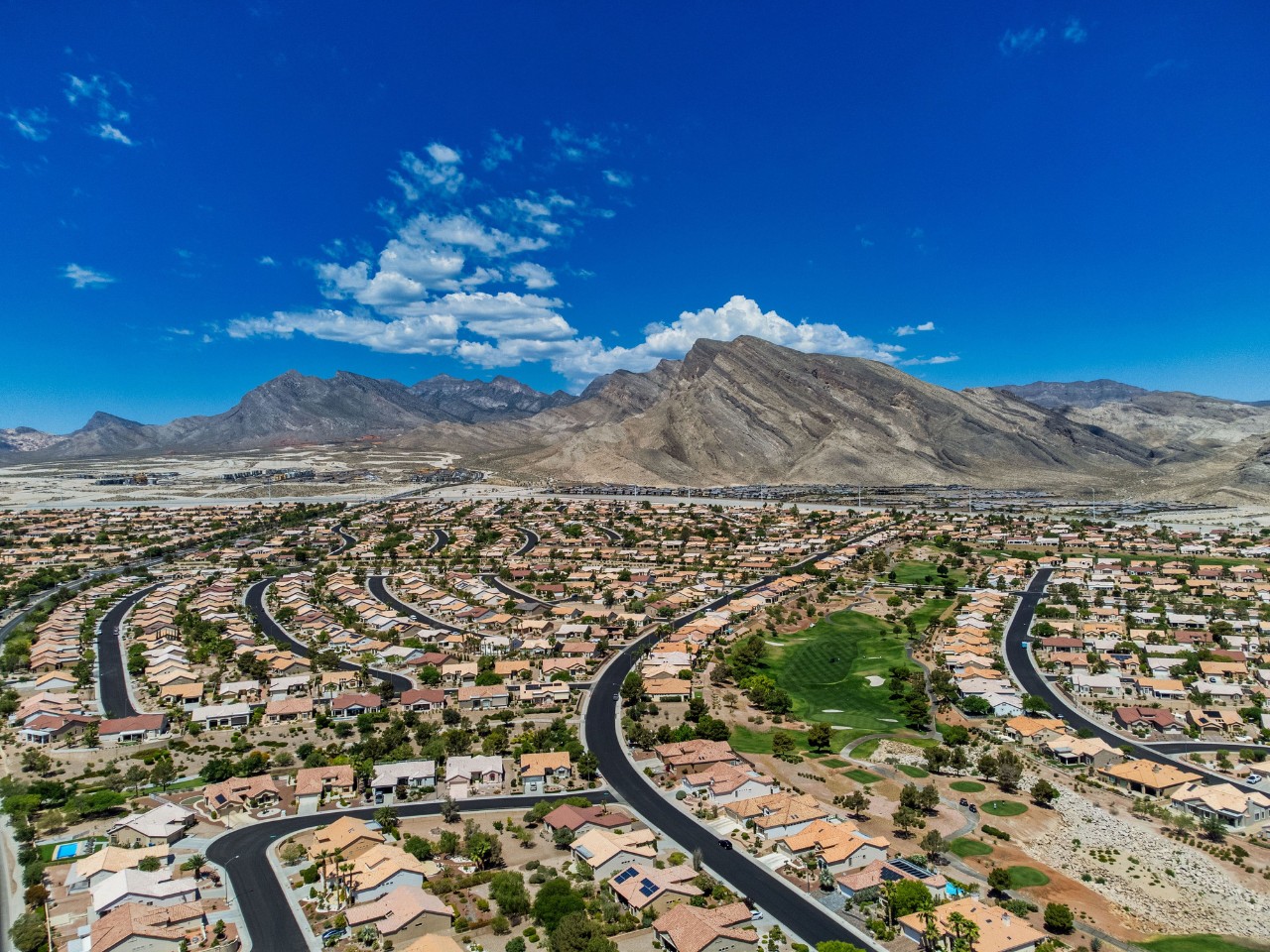
When it comes to luxury living in Las Vegas, Summerlin remains unmatched. Table of Contents: Why Affluent Buyers Choose Las Vegas Inside Summerlin: The Master-Planned Community Redefining Luxury Living Living Well in Summerlin: Golf, Dining, Wellness, and Beyond Making the Move: What Affluent Buyers Should Know About Relocating to Summerlin Discover Luxury Living in Summerlin, Las Vegas Set against the backdrop of Red Rock Canyon, Summerlin is Las Vegas’ premier master-planned community and a crown jewel of luxury living. Spanning 22,500 acres on the city’s western edge, Summerlin combines distinguished neighborhoods, stellar amenities, and exceptional attractions, making it not just a place to live, but a community designed for those who want to flourish. Why Affluent Buyers Choose Las Vegas Nevada’s appeal extends far beyond sunshine and desert landscapes. For high-net-worth individuals, the state delivers a combination of financial, lifestyle, and investment advantages that rival the nation’s most desirable luxury markets. At the heart of this momentum, Summerlin Las Vegas homes for sale offer the chance to enjoy both exclusivity and long-term value. One of Nevada’s biggest draws is its tax-friendly structure. With no state income tax, entrepreneurs, executives, and retirees retain a larger portion of their earnings compared to their peers in states like California or New York. Property taxes are also relatively low, averaging about 0.68% of assessed value, which means homeowners can secure expansive residences with greater affordability than in coastal markets. Lifestyle is at the heart of it all. Summerlin residents enjoy easy access to hiking and cycling, premier golfing, and fine dining and shopping, all without the congestion of the Strip. The regional economy is also diversifying into technology, healthcare, and professional services, creating new opportunities for innovation and investment. For buyers, the appeal is clear: Summerlin offers not only a home but a secure stake in a growing luxury market. Inside Summerlin: The Master-Planned Community Redefining Luxury Living The crown jewel of Las Vegas luxury living, Summerlin boasts everything from top-notch homes to exceptional amenities and attractions. Summerlin was envisioned as a city within a city, and its execution delivers on that promise. The community is organized into distinct villages, each with its own unique personality. Within Summerlin lie some of the region’s most prestigious communities, including The Ridges, Tournament Hills, and The Summit Club. Some exude a family-friendly charm, featuring tree-lined streets and scenic parks, while others offer a more exclusive feel with private golf enclaves. A few bring an energetic, urban edge, complete with walkable centers and lively gathering spots. For affluent buyers, privacy is as important as beauty, and Summerlin excels on both fronts. Guard-gated communities offer peace of mind, while custom estates are positioned on spacious lots that prioritize seclusion. Along “Billionaire’s Row” in Country Club Hills or in the exclusive fairways of Red Rock Country Club, residents enjoy both security and prestige. Housing diversity further strengthens Summerlin’s appeal. Options range from sleek contemporary estates with glass-and-stone facades to traditional golf course residences and lock-and-leave luxury townhomes. This mix ensures that Summerlin Las Vegas homes for sale appeal to a wide range of buyers, from families seeking permanence to investors searching for properties with enduring value. Living Well in Summerlin: Golf, Dining, Wellness, and Beyond What makes Summerlin unique is that its lifestyle amenities are not afterthoughts but rather central to daily life. Golf, for example, is the heartbeat of the community, with TPC Summerlin hosting PGA TOUR events, Bear’s Best showcasing Jack Nicklaus’s favorite designs, and Red Rock Country Club offering two Arnold Palmer signature courses that balance championship-level challenge with sweeping mountain and canyon views. The culinary and retail scene is equally dynamic. Downtown Summerlin features over 125 shops and restaurants, offering everything from local boutiques to fine dining at Harlo Steakhouse & Bar or Vintner Grill. Tivoli Village, with its European-inspired design, expands the area’s upscale offerings and provides a sophisticated setting for shopping, dining, and socializing. Families are also drawn to Summerlin’s reputation for education. In addition to highly rated public schools within the Clark County School District, private institutions such as The Meadows School, Bishop Gorman, and Faith Lutheran provide nationally recognized programs. Education here emphasizes both achievement and well-rounded development, making it a strong consideration for those relocating with children. Wellness is built into Summerlin’s design, with residents enjoying luxury spas and state-of-the-art fitness centers. Beyond these amenities, its location along the Red Rock Canyon National Conservation Area offers sweeping views, an extensive trail network, and direct access to one of the Southwest’s most stunning natural landscapes, making outdoor recreation a natural part of daily life. Making the Move: What Affluent Buyers Should Know About Relocating to Summerlin Looking to make Summerlin your new home? Don’t hesitate to give local experts a call! Relocating to Summerlin is more than a real estate transaction. It’s an entry into a thoughtfully designed, highly sought-after community. That’s why discerning buyers seeking Summerlin Las Vegas homes for sale gain a distinct advantage when they approach the move with strategic planning and foresight. Concierge-level service is often the expectation. In Summerlin, that may include private showings, introductions to off-market listings, and transaction management that emphasizes confidentiality. Selecting the right real estate professional becomes one of the most important steps in the process. A seasoned agent who specializes in Summerlin Las Vegas homes for sale not only understands the market but also knows how to match buyers with properties in enclaves like The Ridges or The Summit Club. Logistics matter as well. Establishing Nevada residency offers tax advantages, but it requires updated documentation such as driver’s licenses, vehicle registrations, and financial records. Attention to these details ensures a smooth transition into the state. Finally, integration into the community can be as simple or as involved as you’d like. Since Summerlin is as much about culture as it is about real estate, exploring options such as joining private golf clubs, attending curated events at Downtown Summerlin, or engaging with neighborhood associations offers ways for residents to turn a move from a simple property purchase into a deeper sense of belonging. DISCOVER LUXURY LIVING IN SUMMERLIN, LAS VEGAS Whether you're drawn by its financial advantages, exceptional amenities, or access to stunning outdoor attractions, choosing Summerlin is more than a real estate decision. It’s a lifestyle investment that combines luxury, privacy, and lasting value. For those ready to take the next step, The McDuffie Group offers tailored guidance built on discretion and deep market expertise. Our concierge approach ensures that every stage of your journey is seamless, from private showings to final closings. If you are considering exploring Summerlin Las Vegas homes for sale, give Sandee McDuffie a call at . You can also send her a message today to schedule a consultation.
Read more
New chapter, not lesser chapter. If you're thinking about retiring to Las Vegas, chances are you're not looking for “more house.” You’re looking for the right house-the one that makes mornings easier, closets less crowded, and life a whole lot simpler. This is especially true in a place like Las Vegas, where you have countless community options, from master-planned 55+ villages to quiet condo life closer to the city. But downsizing comes with decisions. Big ones. How do you let go of a home that holds decades of memories? How do you fit a full life into fewer square feet without feeling like you’ve shrunk your world? The truth is, downsizing-done right-isn’t about loss. It’s about designing your next chapter on your terms. 1. Space isn’t comfort. Function is. A smartly designed 1,500 sq ft home can feel more comfortable than the 3,000 sq ft one you’re leaving behind. Why? Because every inch works harder for you. We help our clients find layouts with natural light, wide doorways, no-step entries, and just enough space to host grandkids-but not so much you’re stuck maintaining rooms you never use. 2. Don’t go in blind-local insight matters. Las Vegas has dozens of active adult and senior-friendly communities, but not all are created equal. Want walking trails? Or community events? Or just peace and quiet with mountain views? We’ve toured them all-from Sun City to Solera-and we’ll help you skip the guesswork to find the perfect fit. 3. Move less. Regret less. The emotional weight of a move is often in the “stuff,” not the square footage. We connect our clients with gentle, trustworthy downsizing and relocation support-folks who know how to help you sort, save, donate, or ship without making it feel like a goodbye tour. (Because this is just the beginning.) 4. Make the move before life forces your hand. The biggest regret we hear? “I wish I had done this sooner.” The homes that sell fastest here are low-maintenance, well-located, and senior-adapted-and demand keeps rising. Planning ahead doesn’t just reduce stress. It gives you the pick of the best options. Downsizing isn’t settling. It’s sharpening your lifestyle. If you’re ready for less hassle and more living, we’ll help you find a space that honors where you’ve been-and supports where you’re going next. Make your retirement move smart and simple. Get your copy of the Las Vegas Downsizing Checklist today and begin planning your new, comfortable chapter.
Read more
Simplifying doesn’t mean starting over-it means taking control. If you're a longtime Las Vegas resident, chances are you’ve built more than just a life here. You’ve built routines, memories, and maybe a house that once fit your whole world-but now feels too big for your everyday. Downsizing isn’t just about square footage. It’s about creating more freedom, less stress, and a home that fits who you are now. Maybe that means a house in Summerlin that’s too big for one, or a decades-old ranch home near the Strip that’s become a maintenance headache. But here’s the truth most people avoid: the longer you wait, the harder it gets. So if you're starting to feel like your current home is more of a burden than a blessing, here are a few smart, local-savvy tips to make your transition smoother-mentally and logistically. 1. Start with the stuff you don’t see. Garages, closets, and storage sheds are where overwhelm lives. Start there, early. You don’t have to do it all at once-just commit to 15-20 minutes a day. This micro-move approach can keep emotions (and clutter) in check. Need help? We partner with local decluttering and moving services who specialize in senior-friendly support. No rush, no judgment. 2. Plan around lifestyle, not layout. A smaller space should still feel like home. Ask yourself: What rooms do I actually use now? Where do I want to spend my mornings? What hobbies deserve a dedicated space? Downsizing shouldn’t mean sacrificing your lifestyle-it should support it. Our team can help you identify communities in Las Vegas designed with walkability, low maintenance, and active senior living in mind-from the vibrant 55+ communities in Henderson to quiet, accessible spots in Centennial Hills. 3. Involve family early-but stay in control. Your decisions matter. Don’t let well-meaning family members push you into rushed changes. Invite them into the process early-especially if they’ll be helping later-but remember, this is your timeline. You get to set the pace. 4. Look at your home’s equity as a tool-not just a number. Many locals are sitting on significant equity-and don’t realize what it can unlock. That equity can mean the difference between buying your new, more manageable home outright and having a larger travel fund or a healthier retirement nest egg. We offer one-on-one consultations to help you explore every option, clearly. You’ve earned the right to live with less stress-and more ease. Downsizing isn’t about giving things up. It’s about stepping into a new season with clarity, intention, and a home that finally fits your life again. Thinking of downsizing, but not sure where to start? Request our free Las Vegas Downsizing Checklist and start planning with confidence.
Read more
When the One Big Beautiful Bill Act (OBBA) passed on July 4, 2025 (U.S. Congress), it barely made a blip in the mainstream media. But inside the fine print? A series of quiet moves that subtly rebalanced the playing field and real estate markets like Las Vegas are now primed to benefit. This wasn’t just a tax update. It was a structural realignment of how money, deductions, and tax strategy flow. What OBBA Actually Did (and What It Means for You) SALT Deduction Cap: A Strategic Window Under OBBA, the state and local tax (SALT) deduction cap rises to $40,000 per return (or $20,000 for married filing separately) for tax years 2025 through 2029 (Bipartisan Policy Center). The cap begins phasing out for those earning over $500,000 in modified adjusted gross income (MAGI) and reverts to the $10,000 cap in 2030. MAGI, or Modified Adjusted Gross Income, is your AGI (Adjusted Gross Income) with certain deductions added back in, like student loan interest, foreign income exclusions, or IRA contributions. It's the number the IRS uses to determine eligibility for deductions and credits. Why this matters: In states like California or New York, high-income earners regularly exceed the $500K MAGI threshold and lose most SALT deductibility. In Nevada, with no state income tax, many buyers can stay under the cap or eliminate the burden entirely. That makes Vegas a destination not just for affordability but for tax leverage. Bonus Depreciation: Real (But Misunderstood) Returns OBBA restores 100% bonus depreciation for qualified personal property placed in service after January 19, 2025 (Stinson LLP). This includes tangible assets with a recovery period of 20 years or less, like appliances, fixtures, and some landscaping, but does not apply to full residential structures like fourplexes. While you can't depreciate the entire cost of a building in year one, investors can front-load deductions using cost segregation studies, which identify eligible components. A $950,000 rental property might yield $50K–$100K+ in first-year bonus depreciation, depending on asset mix and classification (Brady Ware). For multifamily investors or short-term rental buyers, this can dramatically accelerate returns when done correctly but it requires precision, not assumptions. Clean Energy Credits Are Expiring Several clean energy and efficiency credits introduced under the Inflation Reduction Act are now scheduled to expire after December 31, 2025. This includes: The Residential Clean Energy Credit (Section 25D) Credits for solar, geothermal, battery storage, and high-efficiency HVAC systems These were previously available for upgrades made through 2032, but OBBA terminates eligibility for systems not placed in service by the end of 2025 (SEIA). Why this matters: Homeowners thinking about "going green" for tax breaks need to act fast. Sellers with recently upgraded homes should consider listing before the incentive edge disappears. Why Vegas Is Quietly Winning With zero state income tax and relatively low property taxes, Nevada already looked good on paper. But OBBA made the contrast starker: High-income earners fleeing high-SALT states now have new reason to land in Vegas Investors can fast-track depreciation where cash-flow margins already outperform Sellers with green improvements hold temporary tax value others soon won’t This doesn't mean Vegas home prices will skyrocket tomorrow. It means smart capital is repositioning here now, and that momentum builds over time. What to Do Now Run your MAGI numbers and assess SALT eligibility Book a cost segregation study before placing new investments into service If you’re selling a green-upgraded home, consider listing before Q4 2025 Grab the Vegas Buyer’s OBBA Playbook to see how tax changes shift your local strategy In this market, the early movers don’t just get better properties—they get smarter returns. Disclaimer: This article is for informational purposes only and does not constitute tax or legal advice. Please consult a licensed tax professional for personalized guidance.
Read more